Building a Global Capability Center; Setup & Location Insights

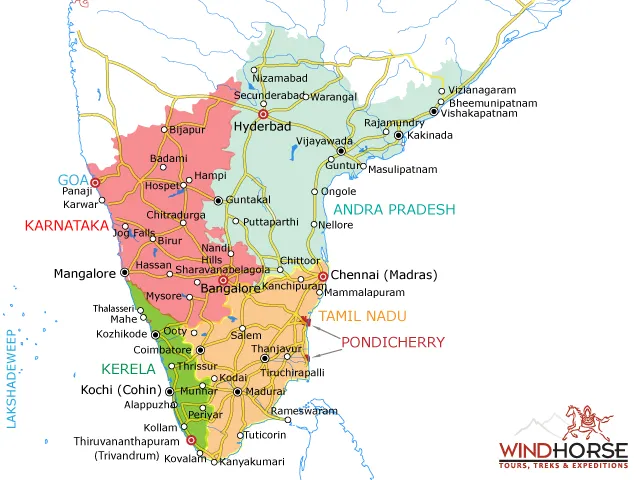
Global Capability Centers (GCCs) have evolved from simple cost-saving units to powerful engines for innovation, digital transformation, and enterprise-wide value creation. As global companies accelerate expansion into India, demand for structured, strategic, and risk-managed GCC setups has surged — especially across Chennai, Coimbatore, and Bangalore, three of India’s strongest talent and infrastructure hubs.
If your organization is planning to set up a GCC in India, here’s the no-nonsense breakdown you need.
1. Start with a Clear GCC Strategy
Before diving into hiring, real estate, or compliance, you need clarity on why the GCC exists and how it will evolve.
Define:
- Operating model (captive, hybrid, center of excellence, R&D, shared services)
- Functions to migrate (engineering, AI/ML, cybersecurity, finance, HR, CX ops, design, analytics)
- Success metrics (cost efficiency, innovation cycles, delivery SLAs, transformation outcomes)
- 3-year maturity roadmap
Pro tip: Don’t build a GCC just to reduce cost. Build it to scale capability, speed, and innovation.
2. Choose the Right City: Chennai, Coimbatore or Bangalore?
📍 Chennai — The Enterprise Powerhouse
- Deep IT/ITES talent
- Strong financial services & automotive tech ecosystem
- Mature enterprise GCC landscape (over 180+ GCCs operational)
- Cost-effective compared to Bangalore
- Robust engineering + digital transformation talent pool
Best for: BFSI, Automotive, Engineering R&D, Shared Services, DevOps, Cloud.
📍 Coimbatore — The Emerging GCC Challenger
- Fast-growing Tier-2 tech hub with rising availability of engineering & analytics talent
- Lower attrition, lower cost, higher loyalty
- Universities supplying strong STEM pipeline
- Increasing interest from midsize global firms
Best for: Mid-size enterprises, R&D pods, digital ops hubs, customer experience centers.
📍 Bangalore — The Innovation Capital
- India’s largest tech & startup ecosystem
- Deepest pool for AI/ML, Data, SaaS, Product Engineering
- Strong leadership talent availability
- Higher cost, higher attrition — but unmatched innovation density
Best for: Enterprise R&D centers, AI/ML hubs, cybersecurity labs, high-complexity engineering GCCs.
3. Build a Strong Talent Strategy
Your GCC’s success = your talent strategy.
Key Considerations:
- Skill availability: engineering, cloud, AI, cybersecurity, finance, HR ops
- Hiring model: direct sourcing, RPO, blended workforce
- Leadership bandwidth: hire local site leads early
- Retention levers: career pathways, L&D framework, growth culture
- Attrition control: role clarity + fast onboarding + strong employer branding
2025 Talent Trends to Leverage
- Rising demand for AI engineers, DevOps, full-stack, cybersecurity
- Surge in GCC expansion in tier-2 cities
- Flex-work models gaining huge traction
- Employer brand > salary for Gen Z talent
4. Complete Legal, Compliance & Entity Setup
A GCC requires airtight navigation of India’s regulatory environment.
Core Setup Activities:
- Entity registration (Subsidiary / LLP / Pvt Ltd)
- FEMA & RBI compliance
- Tax structuring
- Labor law compliance
- Vendor contracting
- Payroll setup, HR policies, data privacy
- Financial reporting & audit frameworks
Pitfall alert: A poorly structured entity setup can delay scale by 6–12 months. Avoid shortcuts.
5. Secure Real Estate & Workspace Infrastructure
Location + infrastructure sets the tone for your GCC culture.
Options:
- Co-working / managed workspace (ideal for Phase 1)
- Build-to-suit (for mid-to-large centers)
- Tech parks (Bangalore)
- Industrial corridors (Chennai/Coimbatore)
Infra Essentials:
- Redundant internet
- 24/7 power
- Biometric + security frameworks
- Collaboration rooms
- ESG-friendly compliance
6. Build Operational Processes & Governance
Once the GCC is launched, governance decides whether it scales or stalls.
Key Frameworks:
- SLA-aligned operating model
- SOPs for every function
- Reporting cadence with HQ
- Security & access control
- Performance dashboards
- Vendor governance
- Business continuity planning (BCP)
7. Execute a Scalable Ramp-Up Plan
A GCC should grow in planned phases — not a random hiring spree.
Typical Ramp-Up (12–36 months):
- Phase 1: Leadership + core team
- Phase 2: Expand engineering + shared services
- Phase 3: Build Centers of Excellence (AI/ML, DevOps, Cyber)
- Phase 4: Innovation & automation charter
8. Common Pitfalls to Avoid
Here’s the brutal truth — most GCC failures follow the same patterns.
- Treating GCC as only a cost-saving engine
- Lack of leadership presence in India
- Poorly defined roles → attrition
- Weak employer branding
- Unstructured scaling (nonlinear hiring)
- Choosing a city that doesn’t match talent needs
- Compliance delays due to lack of expertise
9. Why India Remains the #1 GCC Destination in 2025
- 1.5M+ tech professionals across metros
- Lowest global cost-to-capability ratio
- World’s fastest-growing digital talent ecosystem
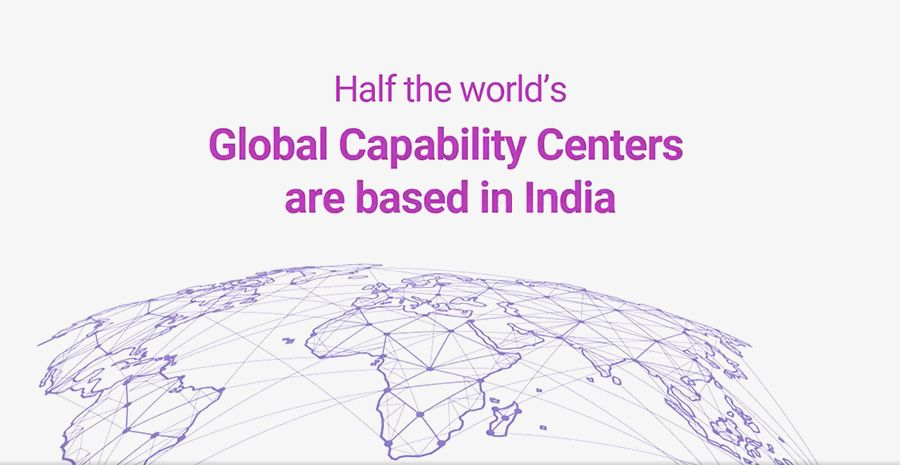
- 1800+ GCCs already operational
- Global enterprises shifting high-value work to India
- Strong AI/Cloud/data capabilities
Final Thought
A successful GCC isn’t built by chance — it’s built with a strong strategy, smart location choices, robust talent planning, and proactive risk management. Chennai, Coimbatore, and Bangalore continue to lead India’s GCC growth story, each offering unique strengths for global enterprises.
If executed right, your GCC will evolve from a support center into a future-ready innovation engine powering global transformation.